Articles
Saudi Laws for Tourists: What to Know Before You Visit
Osama Naseer · 14 November 2026 · 17 min
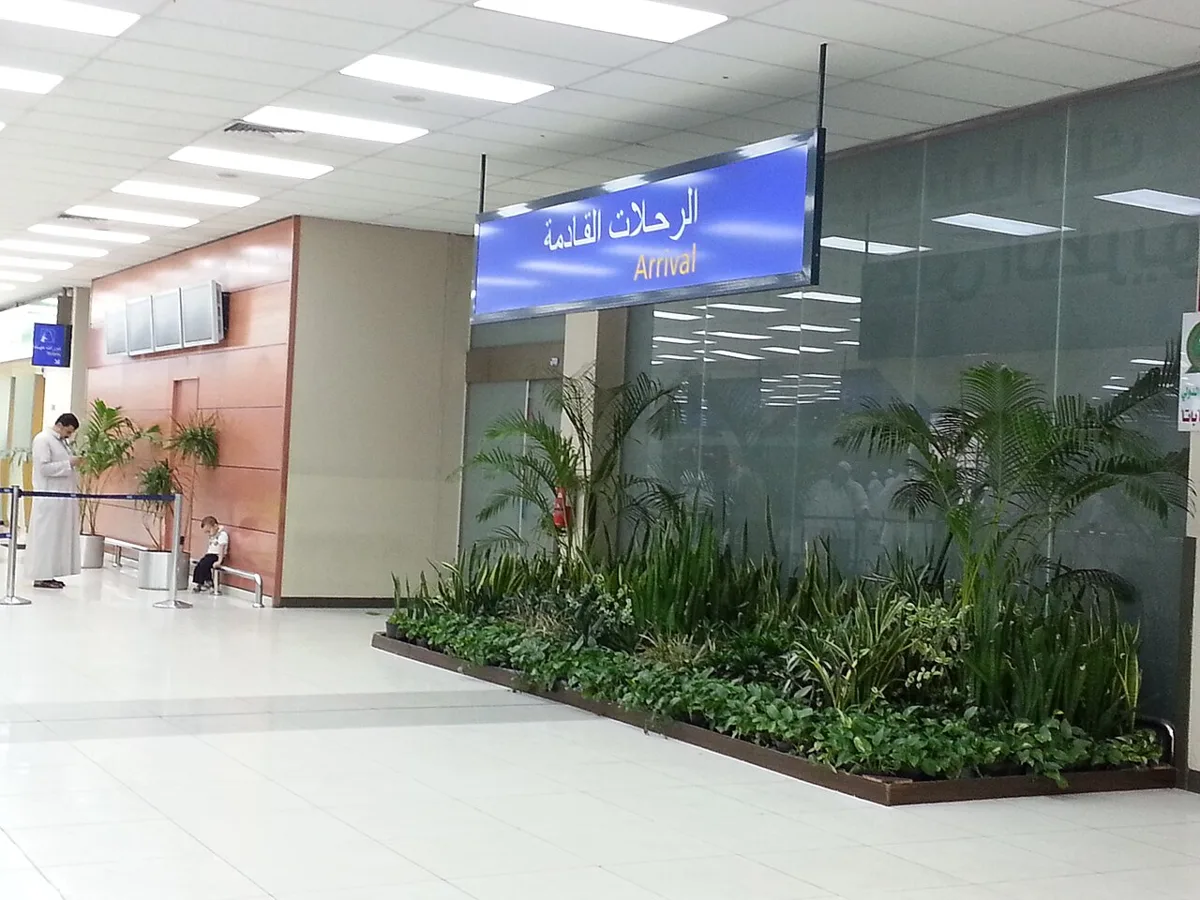
The Saudi laws for tourists that catch people out most are these: no alcohol or drugs, modest dress and behaviour in public, no filming people or sensitive sites without permission, nothing online that insults the state or religion, and a permit before you fly with controlled medicine. Leave before your visa ends, and declare cash or gold worth SAR 40,000 or more. The rest of this guide gives each rule with its source and date, including what we could not confirm. It applies whether you are coming for Umrah, for ziyarah in Madinah Munawwarah, or for a holiday.
Read the current UK advice and your own government’s. The UK page warns that travelling against its advice could invalidate your insurance, so ask your insurer before you book. Canada’s advice, updated 29 October 2026, also says to avoid non-essential travel. Fox 4 News reported on 15 October 2026 that the US advisory issued on 12 October is Level 3, “Reconsider Travel”, with some areas at Level 4.
Saudi laws for tourists at a glance
| Topic | The rule | Stated penalty, with its date | Source |
|---|---|---|---|
| Drugs | Zero tolerance, even small amounts | Up to 5 years and SAR 30,000; death possible for dealing or smuggling (read Oct 2026) | UK advice |
| Alcohol | Do not bring it, or arrive drunk | “Severe penalties, including prison” (read Oct 2026) | UK advice |
| Public decency | 19 listed offences, including dress and filming | SAR 50 to 3,000 in most reports; see the section below | Various, 2019–2025 |
| Phone-camera privacy and defamation | Anti-Cyber Crime Law, issued March 2007 | Up to 1 year, up to SAR 500,000, or both (May 2023 summary) | Saudipedia |
| Visa overstay | Leave on time | Up to 6 months, up to SAR 50,000, deportation (Apr 2026) | Interior Ministry via Gulf News |
| Hajj without a permit | Visit visas do not allow Hajj | Up to SAR 20,000 (2026 season) | Interior Ministry via Arab News |
| Undeclared cash or gold | Declare at SAR 40,000 or more | 10–25% of value, 50% if repeated (June 2026) | Gulf News, citing Okaz |
These are maximums or reported amounts, not a promise of what you would be charged. A court or officer decides.
Public decency: dress, noise and behaviour
The Public Decency Regulations were issued by the Council of Ministers in April 2019 as Resolution 444, according to the Public Prosecution’s text as reported by Ajel. They apply to everyone in public places, which that text defines widely: markets, hotels, restaurants, museums, parks, roads and transport. So a hotel lobby counts, and being a visitor is no defence.
On dress, the sources differ a little. UK advice says men and women should wear loose clothing that covers the elbows and reaches below the knees. Canada says shoulders and knees should be covered. Arab News reported in 2019 that women must cover shoulders and knees, and that an abaya is not required, which the UK also says along with no need to cover the hair. Follow the stricter UK wording and you meet them all. That is only the state’s rule for public places, though. The mosque has its own etiquette, which is explained in our ziyarah etiquette guide.
Saudipedia lists wearing underwear or sleepwear in public as an offence. Pilgrims may want to keep that in mind on the walk to Fajr: throw proper clothes on rather than leaving the hotel in pyjamas. Clothing with obscene messages or images is also listed, and UK advice adds political symbols to what to avoid. Check your T-shirts before you pack.
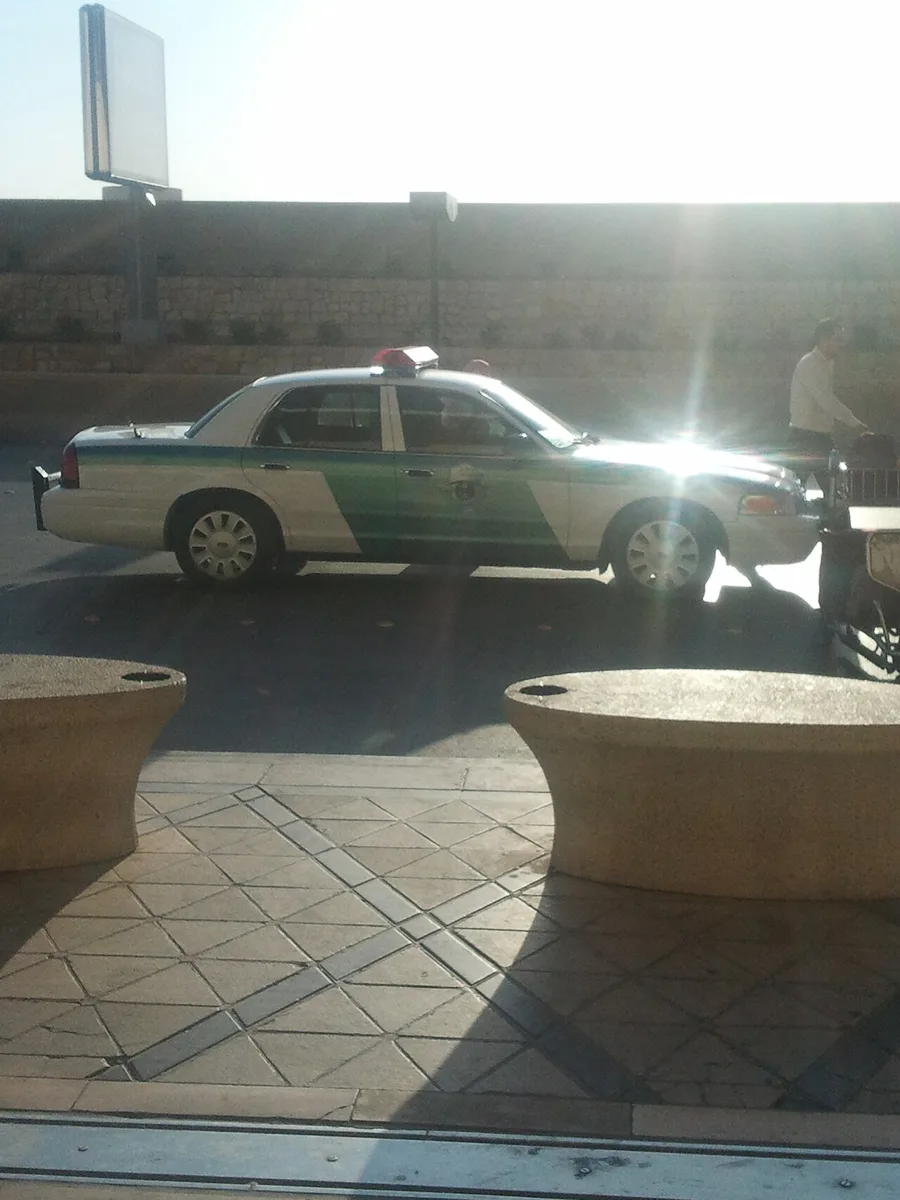
Public decency fines, and why the numbers disagree
| Offence | Arab News, Sept 2019 | Saudi Moments, Sept 2025 |
|---|---|---|
| Indecent behaviour, including sexual acts | SAR 3,000 | SAR 3,000–6,000 |
| Music at prayer times | SAR 1,000; 2,000 repeat | SAR 1,000–2,000 |
| Filming or photographing people without permission | SAR 1,000; up to 2,000 for accidents and crimes | SAR 1,000–2,000, plus deleting the material |
| Loud music in a residential area without a licence | SAR 500 | SAR 500–1,000 |
| Offensive clothing (2025 also lists underwear and sleepwear) | SAR 500 | SAR 100–1,000 |
| Littering | SAR 500 | SAR 100–1,000 |
| Going round barriers | SAR 500 | SAR 50–1,000 |
| Using seats reserved for elderly or disabled people | SAR 200 | SAR 50–1,000 |
| Graffiti, lighting fires, frightening people, shining lasers | SAR 100 | SAR 100–200 |
| Queue jumping | SAR 50 | SAR 50–1,000 |
Arab News says most fines double on a repeat. The 2025 report names no official source.
We could not open the Interior Ministry’s current table, so treat these as reported, not official. The ceiling also varies by source. Asharq Al-Awsat (September 2019) and Saudipedia give SAR 50 to 3,000. Arab News gives up to SAR 6,000, which matches a doubled SAR 3,000 fine. The Public Prosecution’s text, reported by Ajel in April 2019, says fines may not exceed SAR 5,000 and that the fine doubles if you repeat the same offence within a year.
A few details are easy to miss. Arab News says each person in a group is fined separately, that you also pay to repair any damage, and that anyone harmed can sue you. A fine can be challenged before the administrative court, according to the Ajel report. Public affection, swearing and rude gestures are also on the UK’s list of things to avoid, and in Ramadan the UK adds that you should not eat, drink, smoke or chew gum in public in daylight, even in your car. Keep this in mind for Ramadan in Madinah.
Photos and filming: three different rules
This is where well-meaning visitors are most at risk, because phones are always out and three separate rules apply.
- People: filming someone without permission is a decency offence (see the table), and UK advice says to photograph local people only with consent. Separately, Saudipedia says that invading privacy with a phone camera, or defaming someone with technology, falls under the Anti-Cyber Crime Law, with up to one year in prison, a fine up to SAR 500,000, or both. It dated that summary May 2023.
- Sensitive sites: UK advice says filming government buildings, diplomatic premises, military sites and palaces is illegal.
- Attacks and damage: the UK says not to share material about drone or missile attacks or interceptions. Fox 4 News reports the US advisory saying Americans have been detained for taking photos of recent events. In the current climate, this is the rule to take most seriously.
Sources conflict on holy sites. Canada’s advice says photographing holy sites is prohibited, while Saudipedia, in an April 2023 page that does not address holy sites, says photography in public is allowed unless a sign forbids it. Follow signs and any instruction from staff, and check the rules before you plan photo spots in Madinah. Do not film other worshippers, and never film someone being helped after a fall or accident. Commercial work is different again: UK advice says producing content needs permission from the media regulator, GCAM, and warns of a large fine and prison without it.
Drones need their own warning. Canada says you must get authorisation before importing or flying one. The National reported in 2018 that recreational drones without a permit had been illegal since December 2015. UK advice lists radio-controlled model aircraft as needing special approval. Leave yours at home, particularly near a crowded piazza or an airport.
Social media and what you say
The UK, Canada and the US all warn about this, and they are clear that it reaches beyond the trip itself. UK advice says it is illegal to say anything publicly that the authorities consider disruptive to public order, and it names the King, the Crown Prince, the Royal Family, the government, the police, Islam, and Israel and Palestine as subjects to avoid. Old posts and posts made outside Saudi Arabia may be considered, and penalties can include long prison sentences. Canada says the prohibitions cover what you “post, share or like”. Fox 4 quotes the US advisory: “Some U.S. citizens have been arrested for past social media activity.”
Your phone may also be looked at. UK advice says personal videos, books and electronic devices may be examined at customs. Think about what you carry.
What you can and cannot bring
UK advice, read in October 2026, gives the fullest list we could open in English. The rule of thumb on your declaration is simple: you must declare anything that may be prohibited or subject to tax or duty.
| Status | Items |
|---|---|
| Illegal to import | Alcohol, pork and pork products, pornography, distilling equipment, weapons, narcotics, used tyres, used clothes (except for personal use), certain sculptures such as religious symbols |
| Needs special approval | Seeds, live animals, religious books beyond personal use, chemicals, wireless equipment, radio-controlled model aircraft, archaeological artefacts, some pharmaceutical products |
| May need a licence | Satellite phones, listening or recording devices, radio transmitters, powerful cameras or binoculars |
The same advice says that personal religious books are allowed, but importing large numbers can lead to prosecution, and that trying to convert people is illegal. Practising another religion in private is accepted, it says, while Canada says practising it in public is illegal.
Cash, gold and shopping
The threshold changed in 2026, and older guides are wrong. ZATCA’s traveller page, last updated 26 August 2026, says you must declare currency, monetary instruments, gold, precious metals, precious stones or fine jewellery worth SAR 40,000 or more. It was SAR 60,000 until mid-2026. ZATCA’s April 2023 notice said worn jewellery counts too, so a family wearing wedding gold may need to add it up. At that level you must visit the declaration office at the port even if you filled in the form online.
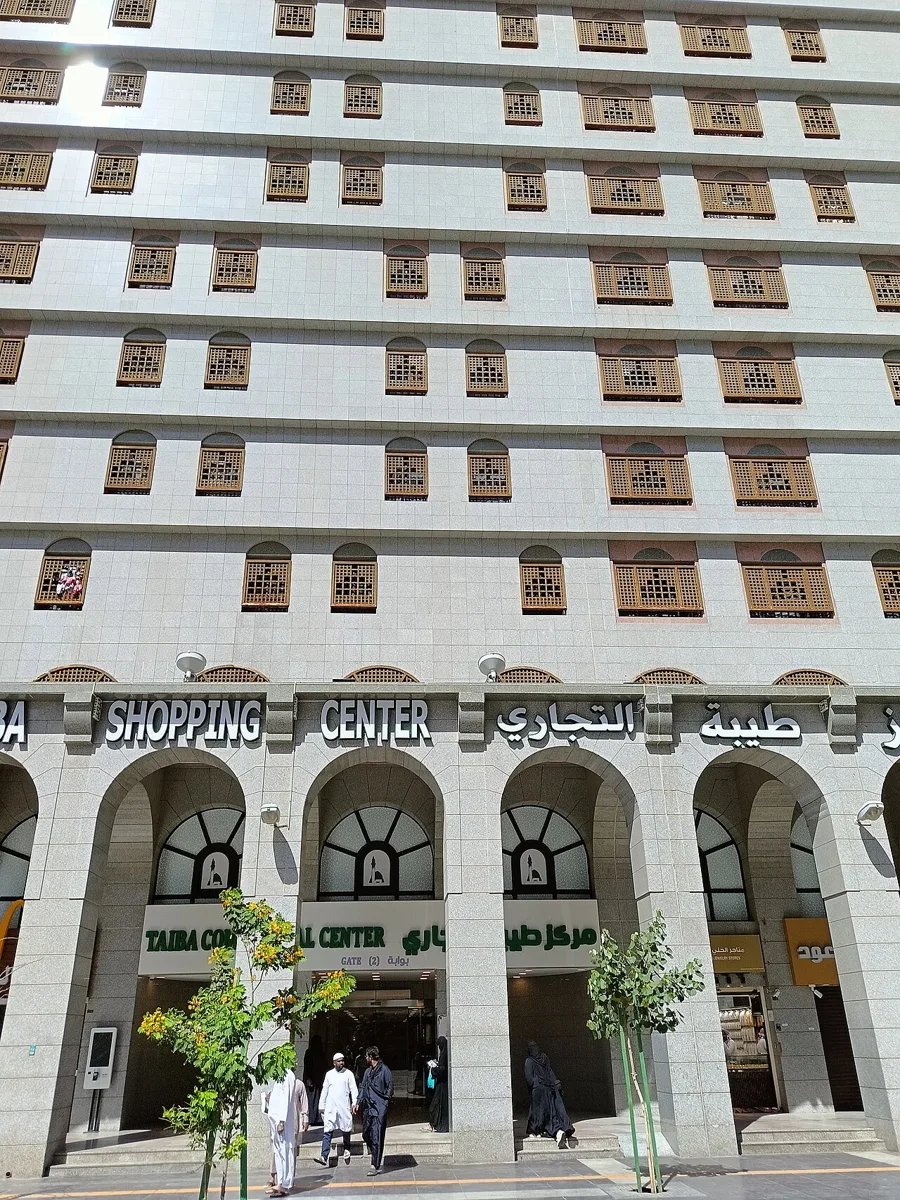
ZATCA also lists gifts or purchases worth SAR 3,000 or more, goods in commercial quantities, goods subject to excise, and restricted goods. Gifts and tobacco can be declared and paid through the app or website. Keep receipts if you shop at places like Taiba Commercial Center, or if you are taking home dates or perfume in quantity for others.
Penalties differ across sources. Gulf News, citing Okaz in June 2026, reports 10 to 25% of the value on a first offence and 50% on a repeat, with up to 72 hours’ seizure. ZATCA’s own April 2023 notice said 25% and 50%. Suspected money laundering goes to prosecutors in both.
Medicines: get the permit before you fly
A prescription that is routine at home can be a problem here. Medicines containing narcotic or psychotropic substances need advance approval from the Saudi Food and Drug Authority (SFDA) through its Controlled Drugs System. Canada’s advice, updated 29 October 2026, tells all travellers to get this permit online before entering or leaving the country. The SFDA document and Gulf News report we read (May 2026) are written for pilgrims, and the Council of British Hajjis says that from 1 November 2025 the rules cover Hajj and Umrah pilgrims arriving by air, land or sea.
The council lists certain painkillers, sleeping pills, anti-anxiety drugs, stimulants and antidepressants as examples. Its advice is to treat a medicine as controlled if you are unsure, and to apply. The steps are:
- Several weeks before departure, create a personal traveller account on the system.
- Enter your travel dates and each medicine’s trade name, active ingredient, strength, form and quantity.
- Upload your passport, images of the medicine and its packaging, and a prescription or medical report no more than six months old.
- Track the request, print the approved permit, and carry it with the medicine.
SFDA’s rules for pilgrims’ personal medicines, in the version dated 21/08/1446 AH (February 2025), set these limits. They allow up to 30 days’ supply or the length of your stay, whichever is shorter. Medicines must be in original packaging and in date. Products of unknown formula or with claims about weight loss, weight gain, whitening or sexual effects are refused. Ordinary, non-controlled medicines also need a report or prescription under six months old, which is worth having even for pills you consider routine. Excess amounts are disposed of. Bringing controlled medicine without a permit risks confiscation or being refused entry, the council warns.
One tension to plan for: UK advice tells pilgrims to bring enough for the whole trip plus possible delays, while SFDA caps the quantity at 30 days. If your stay is long or you are unsure, ask your doctor and the SFDA (phone 19999 or CEC@sfda.gov.sa, as listed in its document) before you travel.
Vapes are unclear. Arab News said in 2019 that bringing them in was treated as smuggling. Goods Across Borders, a customs reference site, said in July 2026 that they are “no longer banned” but are taxed and need declaring, while marking that rule as ungraded and advising travellers to check with ZATCA. UK advice is silent. Unless you have confirmed otherwise, the safer choice is to leave a vape at home.
Visas, permits and Hajj season
Entering lawfully is only half of it. UK advice says your passport must run at least six months beyond arrival, and that entry may be refused if it shows travel to, or birth in, Israel. Which visa suits which trip is a separate question, and using a tourist visa for Umrah has its own conditions. Here is the penalty side.
- Overstaying: in April 2026 the Interior Ministry warned of up to six months in prison, fines up to SAR 50,000 and deportation. UK advice adds a possible ban on returning. Check the date on your own visa, not just the length of your package. Wego lists 7 April 2027 as the date all pilgrims must leave for the 1448 AH season.
- Hajj without a permit: visit visas of every type do not allow Hajj. For 2026, the ministry set fines up to SAR 20,000 for visit visa holders performing or attempting Hajj, or entering or remaining in Makkah and the holy sites from 18 April to 31 May. Arab News reported this on 15 April 2026. Expect new dates each year, so look them up.
- Helping others break the rule: up to SAR 100,000 for applying for a visit visa used this way, or for housing or concealing such people, multiplied by the number of people involved. Infiltrators, including overstayers, faced deportation and a 10-year ban. Do not lend your hotel room to a relative on a visit visa during the Hajj window.
- Madinah in Hajj season: the UK says non-Hajj visitors have been stopped from flying to Jeddah, Madinah and Taif during Hajj, though they can enter through other airports. Plan around this when getting to Madinah, or pick another time to visit.
- Permits inside the holy cities: Wego reports a separate Rawdah permit, booked through Nusuk, and says the Umrah permit is mandatory even with a valid visa.
- Non-Muslims: Wego, summarising the eVisa terms, says they bar non-Muslims from the Prophet’s ﷺ Mosque and its premises. We could not open the terms themselves. If this affects your party, check the boundaries of the Haram of Madinah before you book a hotel.
Debts, driving and exit bans
This is the part that can turn a small dispute into a long stay. UK advice says you can be stopped from leaving over unpaid debts, financial or commercial disputes, legal cases or investigations, and that bans can take years to resolve. Unpaid hotel or car hire bills are named among financial crimes that can bring a fine, prison, a travel ban or deportation, as are bounced cheques. Fox 4 reports the US advisory warning that breaking a law, even by mistake, can lead to these outcomes. So settle your hotel bill properly, and keep the receipt.
If you are driving, UK advice says traffic fines are recorded on the Absher system against your passport or ID, and they must be paid before you leave, and you can pay at the airport only during Saudi office hours. It says a UK photocard licence works for your first three months, though hire firms may want an international permit; other nationalities should check their own government’s advice. Pay any fines well before your departure day.
Other points from the same advice:
- ID: always carry identification. Tourists should carry a copy of their passport and visa, as going without can mean a fine or prison.
- Two passports: carrying two in your name is illegal. You must leave on the one you entered with. Canada adds that dual citizenship is not recognised.
- Relationships: sex outside marriage is illegal, including for tourists, and so are same-sex relations, though the UK describes legal action as uncommon. It also says unmarried tourists may share hotel rooms.
- Deportation: a sentence over three months can lead to it, and shorter ones sometimes do.
A short checklist before you fly
- Read your government’s travel advice and call your insurer.
- Apply for any medicine permit, and pack medicines in original boxes with a recent prescription.
- Check your bags for alcohol, pork products, vapes and drones, and your wardrobe for slogans.
- Review your public social media, and what is on your phone.
- Add up cash and jewellery against SAR 40,000.
- Save a photo of your passport and visa, and carry a paper copy. Set up the apps in our Umrah apps guide.
- Note your visa end date, and plan to leave before it.
When you land, our Madinah airport guide and first visit guide to Masjid an-Nabawi pick up from there. Many of the mistakes first-time visitors make are not legal matters at all, just avoidable stress.
Frequently asked questions
❓Do women tourists have to wear an abaya in Saudi Arabia?
No. UK advice says women do not have to wear an abaya or cover their hair in public, but men and women should wear loose clothing covering the elbows and reaching below the knees. Mosques have their own stricter etiquette.
❓How much is the fine for breaking the public decency rules?
Reports differ. Arab News in September 2019 listed SAR 50 for queue jumping up to SAR 3,000 for indecent behaviour. A September 2025 report gave wider ranges. We could not open the ministry's current table.
❓Can I take photos in Madinah?
Generally yes in public places unless a sign forbids it, according to Saudipedia in 2023. Canada's advice says photographing holy sites is prohibited, so follow signs and staff. Do not film people without consent, or government and military sites.
❓Can I bring my prescription medicine to Saudi Arabia?
Usually, with paperwork. Keep it in original packaging with a prescription or report under six months old, up to 30 days' supply under SFDA's pilgrim rules. Controlled medicines need an SFDA permit before you travel.
❓How much cash can I bring into Saudi Arabia?
There is no limit we could find, but ZATCA says you must declare currency, gold, or jewellery worth SAR 40,000 or more, as of August 2026. The figure was SAR 60,000 until mid-2026.
❓What happens if I overstay my visa in Saudi Arabia?
The Interior Ministry warned in April 2026 of up to six months in prison, a fine up to SAR 50,000 and deportation. UK advice adds that you could be banned from returning.
How we checked this article: we read UK government travel advice (warnings, safety and security, entry requirements, regional risks and pilgrimage pages, updated 27 October 2026), Canada’s travel advice (updated 29 October 2026), ZATCA’s traveller page and its April 2023 notice, the SFDA pilgrim clearance rules and Controlled Drugs System site, Saudipedia, Arab News, Gulf News, Asharq Al-Awsat, Ajel’s report of the Public Prosecution’s text, Saudi Moments, Fox 4 News, The National, the Council of British Hajjis, Goods Across Borders and Wego. The Interior Ministry’s fine table, the Bureau of Experts site and the US State Department page would not open for us, and Australia’s page timed out. We have not tested any of this at a border. This is not legal advice. Last checked 12 November 2026.
Related reading
How to Get to Madinah: Flights, Haramain Train & Road
Flights into MED, the Haramain High-Speed Railway, driving from Makkah or Jeddah, buses, visa basics and how to get around Madinah once you arrive.
Ziyarah Etiquette in Madinah: Dos and Don’ts
The adab of visiting Madinah: greeting the Prophet ﷺ, al-Baqi, Uhud and the historical mosques, the city's sanctuary, dress and photography courtesy.
#Planning your trip #Saudi laws #Travel rules