Articles
Umrah Vaccination Requirements 2026: What You Need
Osama Naseer · 13 November 2026 · 22 min
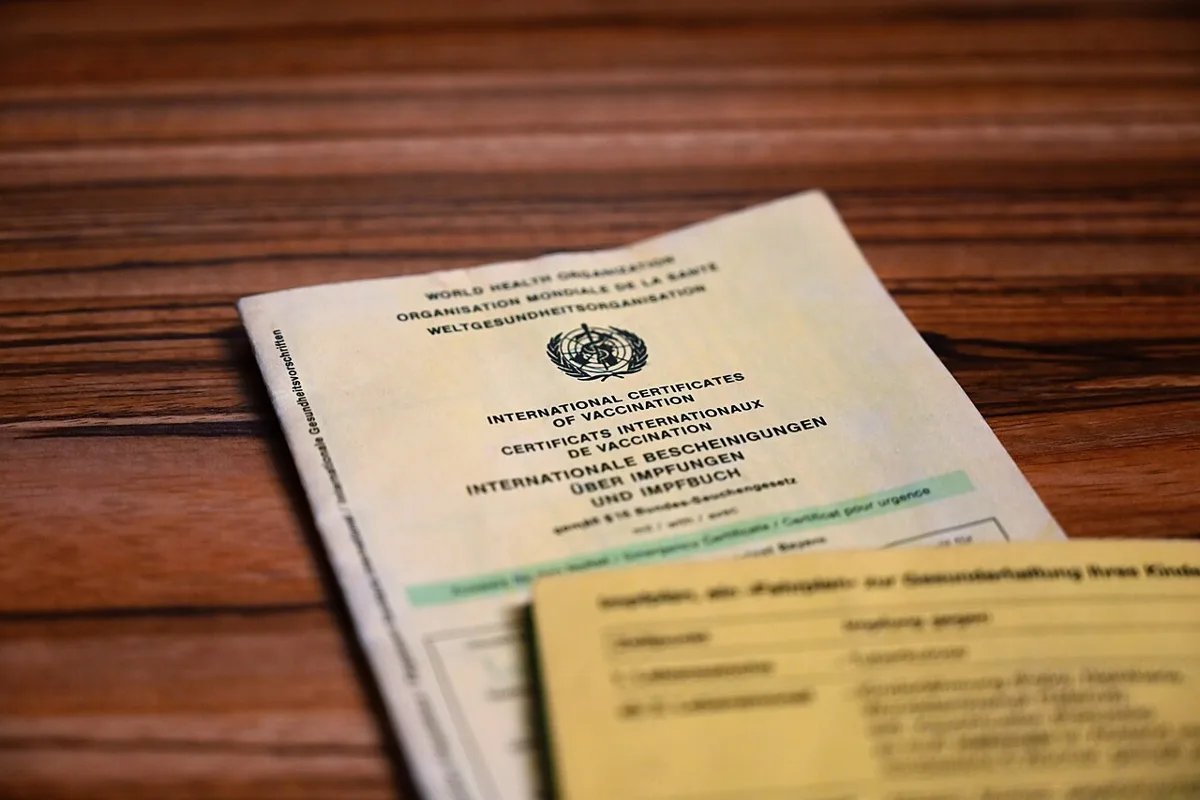
The one Umrah vaccination every pilgrim needs, from every country, is the meningitis ACYW vaccine, given at least 10 days before arrival in Saudi Arabia. Pilgrims arriving from Pakistan and Afghanistan must also have at least one polio dose, whatever their age or vaccine history. Pilgrims over 65, pregnant women and people with listed chronic illnesses need proof of COVID-19 vaccination or immunity, and yellow fever applies only to arrivals from listed countries. Influenza is advice, not a Saudi requirement, although some Pakistani reports call it mandatory. This is general information, not medical advice.
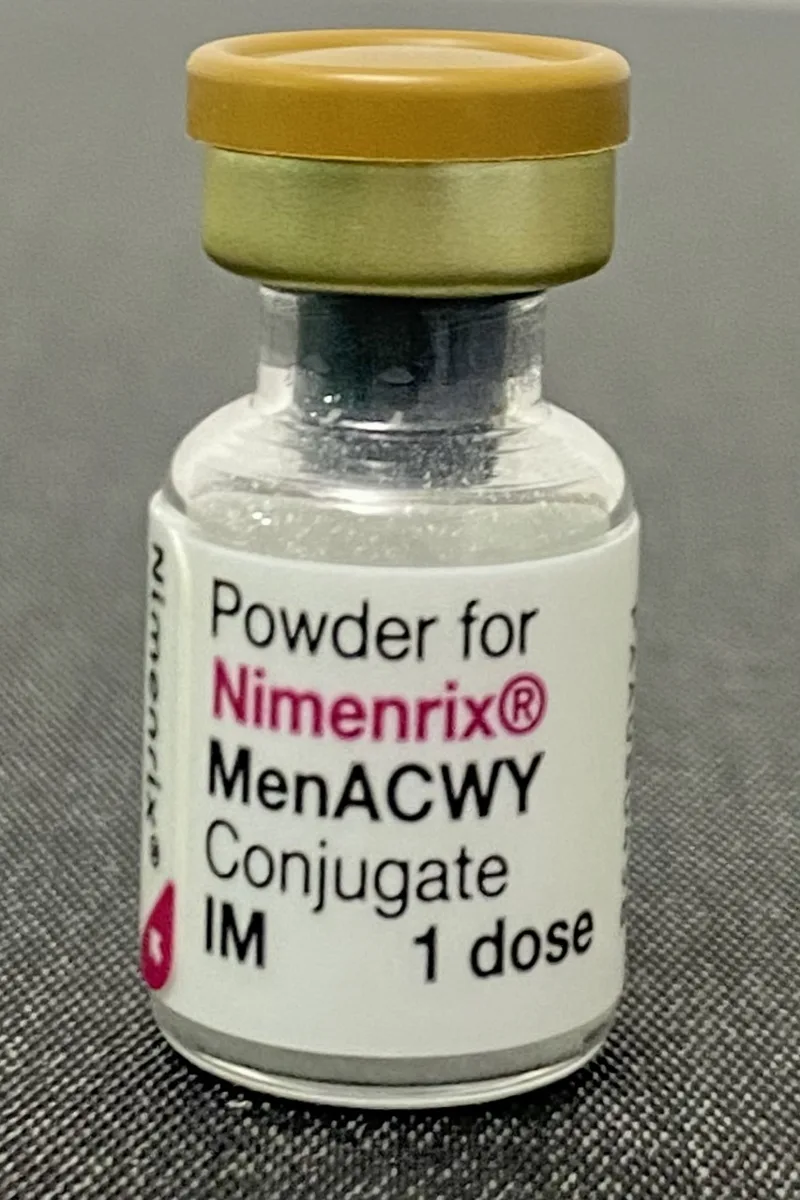
Umrah vaccination at a glance: required or only advised
This table follows the Saudi Ministry of Health’s Health Requirements and Recommendations for Umrah, 1447H (2026). The sections below add the detail, and the places where other sources disagree.
| Vaccine | Status | Who it applies to | Timing |
|---|---|---|---|
| Meningitis ACYW or ACYWX | Required | Everyone performing Umrah, from all countries | At least 10 days before arrival. Conjugate within 5 years, polysaccharide within 3 |
| Polio | Required for listed countries | All arrivals from listed countries, including Pakistan and Afghanistan, at any age | At least one dose. Footnotes recommend at least 4 weeks before arrival |
| COVID-19 | Required for some groups | Over 65s, pregnant women and people with listed chronic conditions | Proof of one of three options, listed below |
| Yellow fever | Required for listed countries | Arrivals older than 9 months from listed African and South American countries | Certificate valid for life, starting 10 days after vaccination |
| Polio (second list) | Advised | Arrivals from another list of countries, such as Egypt, Spain and Algeria | At least one IPV dose |
| Seasonal influenza | Advised | Worded for Hajj travellers in the Umrah document | The updated vaccine for the season |
| Routine vaccines | Advised | All pilgrims: diphtheria, tetanus, pertussis, polio, measles, chickenpox, mumps | Keep up to date |
How current is this rule?
The newest Saudi document we could find is headed 1447H (2026), and the file’s own data shows it was created in December 2025. Hajj 2026 has passed and the Islamic year 1448H has begun, but on 12 November 2026 we could still find no 1448H edition. So treat the 1447H text as the latest published rule, and expect a new edition at some point. Ask your Umrah operator whether one has appeared before you book your vaccine appointment.
The document covers people who perform Umrah or stay in what it calls Umrah areas: Makkah, Madinah, Jeddah and Taif. If you are coming to Madinah only, its meningitis wording speaks of people intending to perform Umrah, so a visitor’s position is less clear. The sensible course for most people who are travelling to Madinah is to get the vaccine anyway, since the disease spreads where pilgrims gather.
Meningitis: the vaccine every pilgrim needs
Saudi Arabia accepts three kinds of vaccine. They must cover serogroups A, C, Y and W, and the rule on validity depends on which kind you received:
| Vaccine type | Must be given within | Minimum gap before arrival |
|---|---|---|
| ACYW conjugate | Last 5 years | 10 days |
| ACYWX (pentavalent) conjugate | Last 5 years | 10 days |
| ACYW polysaccharide | Last 3 years | 10 days |
| Type not shown on the certificate | Treated as last 3 years only | 10 days |
The last row catches people out. A conjugate vaccine given four years ago is still valid under the rule, but if the card does not say so, it counts as expired. When you are vaccinated, ask for the vaccine’s name and type to be written on the record. The Saudi document also notes that current evidence suggests conjugate vaccines are safe and effective for people older than 55, which is worth raising if an older relative has been told otherwise. Older pilgrims have more to prepare than vaccines, so look up Umrah tips for elderly travellers early.
Do you have to show a certificate?
The sources differ in emphasis. The Saudi document strictly asks for a certificate from a listed group of 26 African countries, such as Nigeria, Sudan and Ethiopia. Pakistan is not on that list, though vaccination is still required. The UK’s TravelHealthPro, however, describes proof of vaccination as a visa requirement for Umrah and tells pilgrims to carry certificates for inspection on entry, and the US CDC also says proof must be shown. So carry yours, wherever you are from.
From what age?
This is a real conflict, and it matters to families. The 1447H Saudi text says all individuals and gives no age. The US CDC and TravelHealthPro both say the rule applies from age 1, as did the Saudi 1445H (2024) edition that Pakistan’s Ministry of Religious Affairs circulated. Yet two Pakistani reports say the Karachi centre gives the meningitis vaccine only from age 12. If you are taking a child aged 1 to 11 from Pakistan, ask your operator and a paediatrician before you travel, and do not assume the airport counter settles it. Other rules for Umrah with a baby or children are a separate question.
Why this vaccine is not a formality
WHO reported in April 2025 that Saudi Arabia had notified 11 confirmed cases of invasive meningococcal disease in people who performed Umrah in early 2025. None had a history of meningococcal vaccination, all had serogroup W135, and all recovered. Six further cases were reported in people recently back from Umrah. Saudi authorities estimated that only about 54% of international Umrah pilgrims had met the vaccine requirement as of 10 March 2025. TravelHealthPro warns that the disease can look like flu but become severe within hours. If you develop fever, headache, stiff neck, a rash or severe limb pain after your trip, get urgent help and tell the doctor you have just been on Umrah.
Polio: it depends on where you arrive from
The Saudi document sets out three lists. Your country’s position decides what you need:
| List | Countries (1447H edition) | What is needed |
|---|---|---|
| Required: bOPV or IPV | Afghanistan, Pakistan, Mozambique, DR Congo, Guinea | At least one dose of oral (bOPV) or injected (IPV) vaccine, at any age and whatever your earlier vaccines |
| Required: IPV | Angola, Benin, Burkina Faso, Cameroon, Central African Republic, Chad, Congo, DR Congo, Ethiopia, Guinea, Kenya, Liberia, Mali, Mauritania, Niger, Nigeria, Sierra Leone, Somalia, South Sudan, Tanzania, Indonesia, Palestine, Yemen | At least one IPV dose. If IPV is not available, a certificate for a type 2 oral vaccine is accepted |
| Advised only | Algeria, Angola, Chad, Côte d’Ivoire, Djibouti, Equatorial Guinea, Egypt, Ethiopia, Gambia, Ghana, Kenya, Liberia, Mozambique, Niger, Nigeria, Senegal, Sierra Leone, Somalia, South Sudan, Sudan, Uganda, Zimbabwe, Palestine, Spain, Yemen | At least one IPV dose is advised |
Some countries appear on more than one list, and the document does not explain the overlap. Where a country is on a required list, follow that. If your country appears on none of them, the document’s only polio advice is to keep routine vaccines up to date. These lists are the part most likely to change in a new edition.
COVID-19: still required for some pilgrims
Many older guides say COVID rules ended, but the 1447H document keeps them for particular groups: anyone over 65, pregnant women, and people with chronic heart or respiratory disease, chronic kidney failure, hereditary blood disorders such as sickle cell anaemia or thalassaemia, immune deficiency, cancer or chronic neurological disease. These pilgrims need proof of one of the following:
- a single dose of the updated 2025–2026 vaccine;
- a completed primary series of two or more doses received between 2021 and 2024; or
- laboratory-confirmed recovery from COVID-19 during 2025.
The second option will suit many older pilgrims who were vaccinated during the pandemic. Find that record now, because it may be harder to retrieve in a hurry. For Pakistani pilgrims, check whether it appears on your NADRA record. Everyone else is not required to show COVID proof under this document, though the CDC advises all eligible travellers to stay up to date.
Yellow fever and cholera: only for some routes
Yellow fever is required for arrivals older than 9 months from listed countries. These are 29 African countries, such as Nigeria, Kenya, Ethiopia and Sudan, and 12 listed under South America, such as Brazil, Colombia and Peru. Pakistan, India, Bangladesh, the UK and the US are not listed. There is also a transit point: the CDC and TravelHealthPro both say the requirement applies after a stop of more than 12 hours at an airport in a risk country. So check your route if your cheapest flight connects through Addis Ababa or Nairobi. TravelHealthPro says there is no yellow fever risk in Saudi Arabia itself, and the CDC does not recommend the vaccine for a trip there unless this entry rule applies to you.
Arrivals from Yemen and Sudan, which the document names as affected by cholera, need a certificate from official health authorities showing at least 10 days of health observation before travel. The form is annexed to the document.
Recommended but not required
This is where most confusion starts. Travel agents and clinics often present everything as one list, but none of the vaccines below will stop you entering Saudi Arabia under the Saudi document. They are about protecting your health on a trip spent in dense crowds.
| Vaccine | Saudi Ministry of Health | US CDC | UK TravelHealthPro |
|---|---|---|---|
| Influenza | Advised, worded for Hajj | Routine, keep up to date | Not in the list we read |
| Measles (MMR) | Keep up to date | All international travellers | Keep up to date; higher risk than in the UK |
| Diphtheria, tetanus, polio | Keep up to date | Routine | All travellers |
| Hepatitis A | Not mentioned | Unvaccinated travellers aged 1 or over | Some travellers |
| Hepatitis B | Not mentioned | Unvaccinated travellers under 60 | Some travellers |
| Typhoid | Not mentioned | Most travellers | Some travellers |
| Rabies | Not mentioned | Consider if at particular risk | Some travellers |
Notice that the CDC and the UK differ on typhoid: one says most travellers, the other some. A clinician can weigh that against your own trip. The flu wording is also odd. The Saudi Umrah document advises the vaccine for “travelers intending to perform Hajj”, which looks like text carried over from the Hajj version, and it does not make the vaccine a condition of Umrah. Flu may still be a very good idea for an older pilgrim, and that is a conversation for your doctor.
Two things have no vaccine to book. There is no vaccine for MERS, so the CDC’s advice is to avoid sick people, and the Saudi document tells pilgrims to avoid camels in farms, markets and barns. TravelHealthPro recorded 19 human cases from January 2025 to 29 April 2026, 17 of them reported by Saudi Arabia. Malaria tablets are not needed for the pilgrimage cities either: the CDC says there is no malaria transmission in Makkah, Madinah, Jeddah or Taif.
Umrah vaccination from Pakistan
Pakistani pilgrims face two separate sets of rules. Saudi Arabia decides what it requires on arrival, and Pakistan decides what it checks on departure. Mixing them up causes most of the confusion. The fees and steps for an Umrah visa from Pakistan are a separate subject, so this section sticks to the vaccines.
What Saudi Arabia requires from Pakistan
- Meningitis: required, as for every country, at least 10 days before arrival.
- Polio: required at any age. The Saudi document names Pakistan directly, in its top list.
- COVID-19 proof: required only for the groups listed above.
- Yellow fever: Pakistan is not listed, so this applies only if your route takes you through a listed country.
- Influenza: not listed as a requirement.
WHO backs up the polio rule from its side. The statement of its polio emergency committee, published on 25 August 2026, lists Pakistan as a country infected with wild poliovirus, with the latest detection on 1 April 2026 in data to the end of April. It asks that all residents and long-term visitors of all ages receive a dose before international travel, and that they be given a certificate as proof.
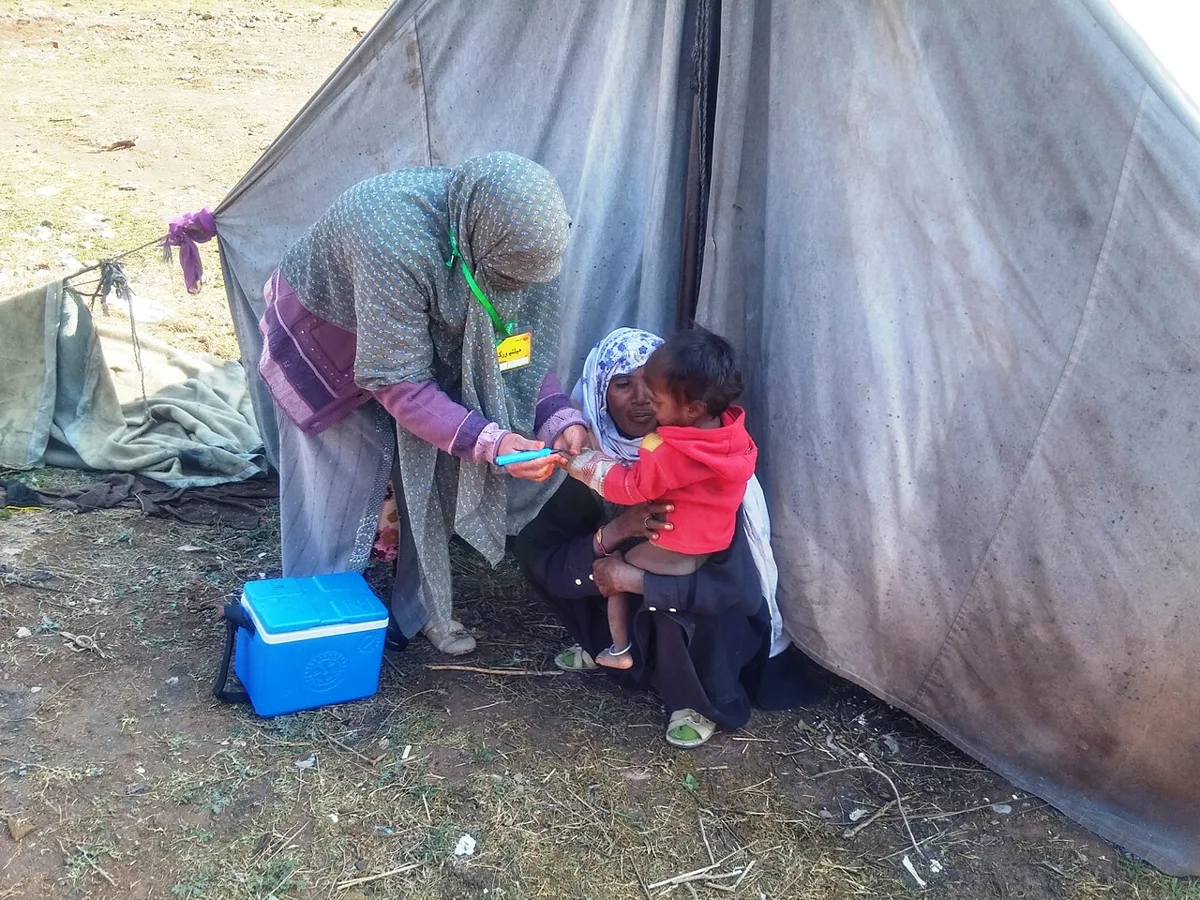
Enforcement has been real. Radio Pakistan and ARY News both reported on 10 February 2025 that pilgrims were being taken off flights over polio certificates. ARY spoke of hundreds, citing unnamed sources, and said no boarding passes were issued to those without one.
When to take the polio dose
Sources give different windows, so here they are side by side:
| Source | What it says |
|---|---|
| Saudi document, footnotes | IPV within the previous 12 months; OPV within the previous 6 months (that footnote sits on the type 2 rule). Either one at least 4 weeks before arrival. Worded as a recommendation |
| WHO, August 2026 | Between 4 weeks and 12 months before international travel |
| Radio Pakistan, February 2025, citing the Saudi aviation authority | At least 4 weeks before departure, and no more than 6 months old on the departure date |
| Express Tribune, October 2026 | Required once a year, depending on destination and rules |
A dose taken between 4 weeks and 6 months before you fly fits every line in that table. That is our own reading, not an official rule, but it is the safest window we can identify, and it leaves no argument at the airport. If your last dose is older than 6 months, ask your operator or district health office before you assume it still counts. Allow time for the record too: ARY reported in 2025 that drops were available at any health facility, but that only District Health Officers could update records in the NADRA system, and this caused delays.
Pakistan’s NADRA-linked digital certificate
Border Health Services Pakistan, under the federal health ministry, issued a notice dated 7 September 2026 requiring NADRA-integrated proof of vaccination. The notice is not published online, according to Wego, and we could not find it on a government site, so the details below come from press reports. Its start date has moved several times:
| Reported | What was announced | Source |
|---|---|---|
| 12 Sept 2026 | Only NADRA-integrated proof accepted after 14 September | Dawn, Arab News |
| Mid Sept | Karachi moved to 25 September; manual certificates valid until then | Arab News |
| 15 Sept | For now, applies only to Karachi passengers flying to Saudi Arabia for Umrah | ProPakistani, on a Border Health clarification |
| 23–24 Sept | Karachi moved to 10 October. Peshawar set for 15 October | ProPakistani, ARY News |
| 11–12 Oct | Karachi exemption ended; meningitis and polio mandatory | Express Tribune, ProPakistani |
| 21–22 Oct | New circular: verification at Karachi from 10am on 20 November 2026, with vaccination at least 10 days before departure | The Nation, ProPakistani, Dunya News, Minute Mirror, Trips.pk |
So as of our last check on 12 November 2026, Karachi’s check was set to start on 20 November 2026. Do not read that as “no vaccines until then”. Trips.pk notes that the circular moves the implementation date and does not explicitly waive anything, and the Saudi requirements apply regardless. We found no start date for Lahore or Islamabad, and could not confirm whether Peshawar’s date was later changed. If you fly from any other airport, ask your airline or operator a few days before travel. Reports also differ on who is covered: Wego describes all international departures, with pilgrims checked first, while the Border Health clarification spoke of Karachi and Umrah only, and Peshawar’s rule was reported to include Saudi visit visas.
How to get the certificate
- Register and pay. Complete biometric verification and payment on the Pak ID app, or at an e-Sahulat franchise. Keep the receipt. The Express Tribune says receipts stay valid for 90 days.
- Get vaccinated at an authorised centre. The Federal Government Civil Dispensary is named as the authorised centre. At Karachi, the International Traveller Vaccination Centre near Star Gate at Jinnah Terminal runs around the clock, with five NADRA counters. Peshawar’s centre was reported at the Civil Surgeon’s Office. Wego says certificates from private clinics do not qualify at Karachi.
- Download the card. Once the record is in the system, get the certificate from nims.nadra.gov.pk using your CNIC or passport details. ARY News reports a Rs 100 fee for this step.
- Check it and print it. Compare the name, passport number and vaccine details with your passport. A ProPakistani reader said his meningitis and flu certificate carried the wrong passport number, and that this was hard to get corrected. Carry a printed copy as well as one on your phone, alongside your Umrah apps.
| Item | Reported cost | Source and date |
|---|---|---|
| Meningitis vaccine | Rs 2,785 | Express Tribune, ProPakistani, Oct 2026 |
| Influenza vaccine | Rs 1,720 | Express Tribune, ProPakistani, Oct 2026 |
| Polio vaccine | Free | Express Tribune, ProPakistani, Oct 2026 |
| NADRA service charge | Rs 150 | Wego, Sept 2026 |
| Certificate download | Rs 100 | ARY News, Sept 2026 |
Wego also reports that some facilitation centres in Karachi charged Rs 6,000 to Rs 7,000 in total. Pay through the official channels and keep your receipt.
Where the Pakistani reports disagree
- Influenza: Dawn, Arab News and ProPakistani (September) list it among the required vaccines at Karachi. The Express Tribune and ProPakistani (October) name meningitis and polio as mandatory, and list influenza with its price only. Saudi Arabia does not require it. Ask the centre or your operator what will be checked on your departure date.
- Children: the Express Tribune gives meningitis from age 12 and influenza from age 1. ARY says the same in other words. This does not match the age 1 rule given by the CDC and TravelHealthPro.
- Pregnancy: the Express Tribune says pregnant women receive only the influenza vaccine at Karachi, and that breastfeeding mothers may receive influenza, polio and meningitis. The Saudi document as we read it lists no pregnancy exemption, and it places pregnant women in the COVID proof group. Speak to your doctor early, and ask your operator how to document the decision.
- Foreign nationals: the Express Tribune says they are exempt from the Pakistani requirement. That does not touch the Saudi rule, which is based on where you arrive from.
- Validity: the Express Tribune gives the Karachi meningitis vaccine a three-year validity and flu one year. Three years is the Saudi limit for a card that does not show a conjugate vaccine, so check which type you were given.
If you travel from the UK or the US
UK: TravelHealthPro says a conjugate ACWY vaccine should be given at least 10 days before travel and within the last five years. The record must show the vaccine’s name and type with your full name, and be stamped by the provider. In 2025 it noted that the polysaccharide vaccine had not been available in the UK for over three years, so a UK dose is likely to be conjugate, but check the record. The UK government advises looking up recommendations at least 8 weeks before a trip, and says to check whether you need to pay for travel vaccines.
US: the CDC’s page, reviewed on 25 August 2026, says proof of a quadrivalent vaccine is required for travellers aged 1 and older arriving for Umrah, given within the last 3 to 5 years depending on type and at least 10 days before travel. If you came recently from Pakistan or another listed country, follow that country’s polio rule as well, since the Saudi rule depends on where you arrive from.
A simple timeline
| When | What to do |
|---|---|
| 8 weeks or more before | See a doctor or travel clinic. Check your routes against the Saudi lists. Find old vaccine and COVID records. |
| 4 to 6 weeks before | Pakistani pilgrims: register, pay, and take the polio dose, so that the 4-week footnote is met and the record has time to appear. |
| 2 to 4 weeks before | Take meningitis and any advised vaccines your doctor suggests, leaving well over 10 days before arrival. Ask your clinician about spacing. |
| 1 week before | Download and print your certificate, and check every detail. Ask your operator or airline if the rules have changed. |
| On the day | Keep certificates in your hand luggage, with your passport. |
This timeline is our suggestion, built from the rules above, so adjust it with your doctor. If you have flexibility, the best time to visit Madinah is worth considering alongside your vaccine dates. If you book late, work backwards from your arrival date, not your booking date.
Staying well once you arrive
Vaccines are only part of the Saudi document’s health advice. It also says:
- Bring your medicines and a record of your condition. Carry enough in the original packaging, with documents describing your chronic condition. The UK government adds that some medicines are controlled in Saudi Arabia and may need approval, and that you should carry a prescription or doctor’s letter, so check before packing. Put both at the top of your Madinah packing list.
- Protect yourself in crowds. Wash your hands, use tissues, and wear a face mask during rituals and in crowded places. That applies on a first visit to Masjid an-Nabawi, and at the crowded spots covered in our ziyarah etiquette guide.
- Be careful with food. Wash fruit and vegetables, avoid unpasteurised milk and undercooked meat, and throw away dented or leaking cans. Rinse anything you buy loose at the Central Dates Market if you plan to eat it straight away.
- Respect the heat. Avoid direct sun and drink enough fluids, especially if you are older. Diuretics and some other medicines may need adjusting, so ask your doctor before you fly. Check the Madinah weather and plan walks around the prayer times. Signs of heat stroke on Umrah need quick action.
- Avoid mosquito bites. The document suggests covering up and using repellent containing DEET, IR3535 or Icaridin, because of Zika and dengue.
Keep a photo of your certificate on your phone and a paper copy in your hotel room. You will want them at the airport on arrival and if you need treatment. Knowing the location of hospitals in Madinah and the Saudi emergency numbers before you need them is sensible too.
Common mistakes
- Vaccinating too late. The 10 days count back from arrival, so a dose given a week before your flight fails the rule, however valid the card looks.
- A certificate that does not name the vaccine. A five-year vaccine then counts for only three.
- Treating every listed vaccine as required. Ask which items are Saudi requirements, which are Pakistani checks and which are advice, especially if someone is selling you a package of shots.
- Relying on an old polio dose. A childhood series does not meet the Saudi rule for Pakistan, which applies whatever your earlier vaccines were.
- Relying on an old blog. Rules, dates and fees have moved repeatedly in 2026. Treat every date here as a date to confirm.
- Forgetting the COVID proof if you are over 65, pregnant or have a listed condition.
Frequently asked questions
❓Which vaccines are mandatory for Umrah?
Under the Saudi 1447H (2026) document, meningitis ACYW is required for all pilgrims. Polio is required from listed countries, including Pakistan. Yellow fever is required from listed countries. COVID-19 proof is required for over 65s, pregnant women and people with listed chronic conditions.
❓How long is the meningitis vaccine valid for Umrah?
A conjugate vaccine (ACYW or ACYWX) counts for 5 years and a polysaccharide vaccine for 3 years. Either must be given at least 10 days before arrival. If the certificate does not show the type, it counts for 3 years only.
❓Is the flu vaccine compulsory for Umrah?
Not under the Saudi document, which lists it as advice worded for Hajj travellers. Some Pakistani reports say it is required at Karachi and others do not, so ask your vaccination centre or operator what is being checked when you travel. It may still be good for your health.
❓Do Pakistani pilgrims need a polio certificate for Umrah?
Yes. The Saudi document requires at least one dose of oral or injected polio vaccine for all arrivals from Pakistan, at any age. Carry proof, because pilgrims without certificates were reported to be refused boarding in February 2025.
❓Do I need the NADRA vaccination certificate if I fly from Lahore or Islamabad?
We found no start date for those airports as of 12 November 2026. Karachi's check was set for 20 November 2026 and Peshawar's was reported as 15 October. Ask your airline or operator a few days before travel. Getting the digital card anyway is the safe choice.
❓Can I get vaccinated at the airport on the day I fly?
Karachi airport has offered this, but a meningitis dose given that day does not meet the Saudi rule of at least 10 days before arrival. Pakistani reports also say passengers should be vaccinated at least 10 days before travel.
❓Can children go on Umrah without the meningitis vaccine?
The CDC and TravelHealthPro apply the rule from age 1. Pakistani reports say Karachi gives this vaccine from age 12. Ask your operator and a paediatrician before you book, as the sources conflict.
❓Is this article medical advice?
No. It reports published requirements. Your doctor or a travel clinic should decide which vaccines are safe for you.
How we checked this article: we read the Saudi Ministry of Health’s 1447H (2026) Umrah document in full, the WHO polio emergency committee statements of March and August 2026, WHO’s April 2025 outbreak notice on meningococcal disease, the US CDC’s Saudi Arabia page, TravelHealthPro’s Saudi Arabia page and its 2025 Umrah notice, UK government travel advice, Radio Pakistan, and the 1445H Saudi edition circulated by Pakistan’s Ministry of Religious Affairs. For Pakistan’s NADRA rule we used Dawn, Arab News, The News, Daily Times, The Express Tribune, The Nation, Dunya News, Minute Mirror, ARY News, ProPakistani, Trips.pk and Wego. We could not obtain the Border Health Services circulars or open the NADRA portal, so those points rest on press reports. This article is not medical advice. Last checked 12 November 2026.
#Getting to Madinah #Pakistan #Umrah planning #Health